Decoding Britain's Multi-Game Loyalty Ladders and Their Wagering Layers
Devon Reed · Sep 23, 2026
Decoding Britain's Multi-Game Loyalty Ladders and Their Wagering Layers
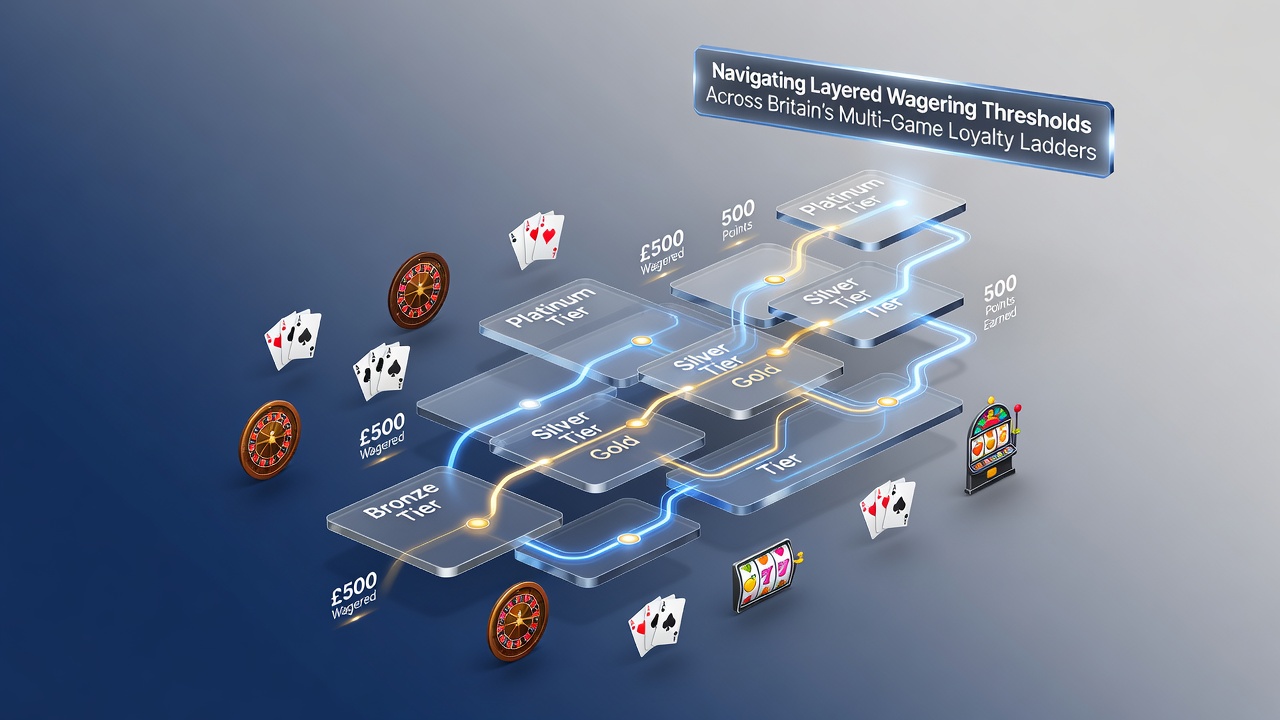
British gaming operators structure loyalty programs as multi-tiered ladders where participants advance through levels by meeting cumulative wagering requirements that vary by game type, and these systems incorporate distinct thresholds for sports betting, casino slots, table games, and poker to balance player engagement across categories.
Operators calculate points based on stakes placed, yet each game category applies its own conversion rate so that a fixed amount wagered on sports might generate fewer loyalty points than the same stake on slots, which forces players to adjust their activity mix when targeting higher tiers.
Core Mechanics of Tier Progression
Entry-level tiers typically demand modest monthly wagering volumes that players meet through routine play, while mid-tier advancement requires sustained activity across multiple game types and top tiers impose annual thresholds that combine contributions from sports, casino, and live dealer segments. Research from the Responsible Gambling Council in Canada indicates that such layered designs appear in markets worldwide because they encourage diversified participation rather than concentration in single verticals.
Thresholds reset on fixed cycles, usually monthly or quarterly, and operators publish the exact figures in program terms so participants can track progress through account dashboards that break down contributions by game category.
Variations Across Game Categories
Sports betting often carries lower point multipliers because of thinner margins, whereas slots contribute higher rates per pound wagered, and poker sites frequently apply rake-based calculations that convert differently again. One operator might require £5,000 in sports stakes for a tier jump but only £2,500 in slot volume for the same advance, creating strategic choices for participants who monitor their current standings.
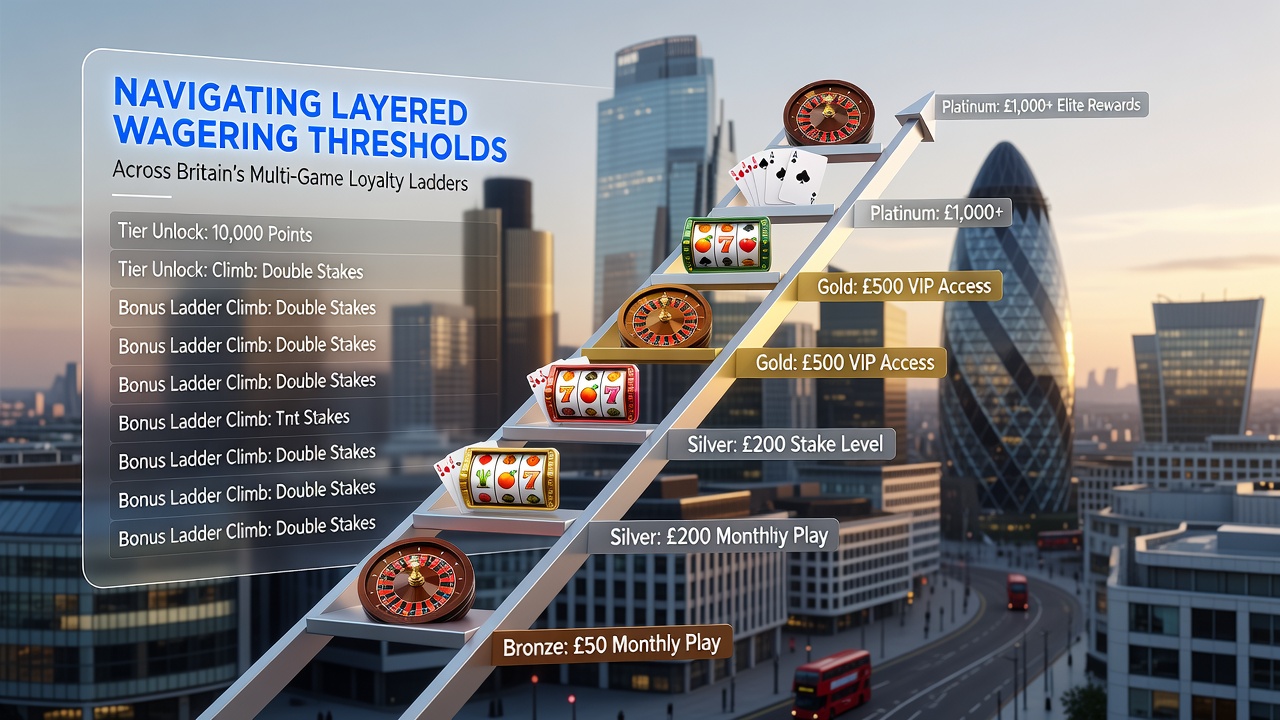
Live casino tables occupy an intermediate position where both stake size and session duration influence point accrual, and operators adjust these formulas periodically to reflect changes in game popularity or regulatory guidance. Data from industry reports compiled by the European Gaming and Betting Association show that multi-game ladders have expanded in Britain over the past five years as operators seek to retain users who previously focused on one vertical.
Tracking and Adjusting Activity
Account interfaces display real-time progress bars segmented by game type, which allows participants to identify shortfalls early and shift focus accordingly before a reset period ends. Some programs include carry-over provisions where excess wagering from one month applies to the next cycle, whereas others enforce strict cut-offs that require fresh accumulation each period.
Players who spread activity across categories often reach targets faster than those who concentrate on a single game, and operators highlight these patterns in program descriptions to illustrate efficient navigation routes. Updates scheduled for September 2026 will introduce new transparency requirements around threshold calculations, requiring clearer disclosure of conversion rates per game type across British platforms.
External Factors Influencing Thresholds
Market conditions, including changes in game margins and player preferences, prompt operators to recalibrate requirements, and these adjustments appear in updated terms that participants receive through notifications. A study published by the University of Sydney examined loyalty structures in several jurisdictions and found that layered thresholds correlate with higher cross-category engagement when clearly communicated.
Seasonal promotions sometimes accelerate point earning temporarily, yet the base thresholds remain the governing metric for permanent tier status. Observers note that participants who review terms before each cycle avoid surprises when wagering patterns fail to align with expectations.
Conclusion
Britain's multi-game loyalty ladders operate through distinct wagering thresholds that vary by activity type, and participants navigate these systems by monitoring segmented progress and adjusting play patterns to meet combined targets. Operators publish the specific figures and conversion rates so users can plan accordingly, while upcoming changes in September 2026 aim to enhance clarity around these mechanics.