Timing Tactics: How British Betting Apps Align Bonus Drops with Football Seasons and Racing Festivals
Parker Klein · Oct 21, 2026
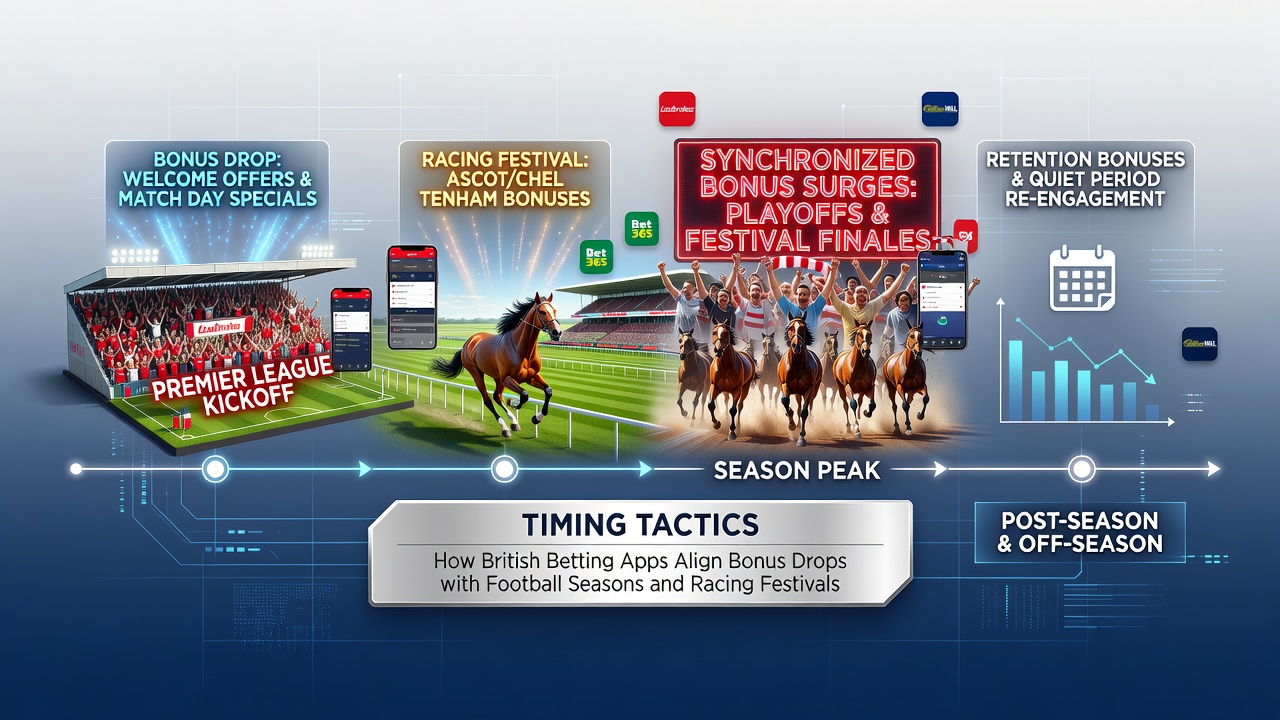
Timing Tactics: How British Betting Apps Align Bonus Drops with Football Seasons and Racing Festivals
Betting platforms across Britain coordinate promotional releases with major sporting calendars, and this practice follows observable patterns in data from industry reports, according to analyses by the International Federation of Horseracing Authorities. Football seasons run from August through May, whereas horse racing festivals occur at fixed points such as the Cheltenham Festival in March and the Grand National meeting in April, and operators release deposit matches, free bet offers, and accumulator boosts during these windows because participation metrics rise sharply. Observers note that such alignment maximizes engagement during periods when viewer numbers for live events peak.
Premier League fixtures dictate much of the schedule, since the opening weekend in August triggers welcome packages that extend into the first international break, and data from multiple platforms indicate bonus claims increase by measurable percentages in those weeks. Mid-season pauses around October create another window, and in October 2026 the calendar shows several matchdays clustered before the November international fixtures, which gives operators a concentrated period to issue reload rewards tied to specific leagues. Those who track these releases find that promotions often reference upcoming derby matches or title contenders to draw attention.
Football Season Patterns and Platform Responses
Operators segment their calendars into blocks that mirror the domestic and European schedule, and studies from the University of Nevada Gaming Research Center have documented how European betting volumes correlate with league start dates. August sees sign-up incentives aimed at new users following the season launch, while September and October feature midweek boosts for Champions League nights. Platforms adjust the value and conditions of these offers based on fixture density, because higher numbers of simultaneous matches correspond to greater bet volumes recorded in historical datasets.
January transfer windows and the FA Cup third round create additional spikes, and companies time cashback mechanics or enhanced odds to coincide with these events. Evidence from platform analytics shows that users who receive notifications linked to specific matches redeem offers at higher rates than those sent generic promotions. The structure allows firms to maintain activity levels across the long winter schedule without overlapping competing incentives from rival operators.
Racing Festival Coordination
National Hunt meetings follow a predictable annual rhythm, and the Cheltenham Festival stands as the clearest example where multiple operators release festival-specific accumulator bonuses and each-way enhancements in the preceding fortnight. The Grand National meeting in early April receives similar treatment, with promotions highlighting extra places and free bet stakes that activate on qualifying races. Figures from racing industry summaries reveal that handle volumes at these festivals exceed regular meetings by several multiples, which explains the concentrated marketing push.
Flat racing highlights such as Royal Ascot in June and the July Festival at Newmarket prompt parallel releases, although the emphasis shifts toward ante-post betting and place terms. Operators monitor advance entries and adjust bonus triggers accordingly, because late declarations can alter the appeal of certain promotions. Data collected across multiple seasons demonstrates that timed offers tied to these events sustain activity between the major jumps fixtures.
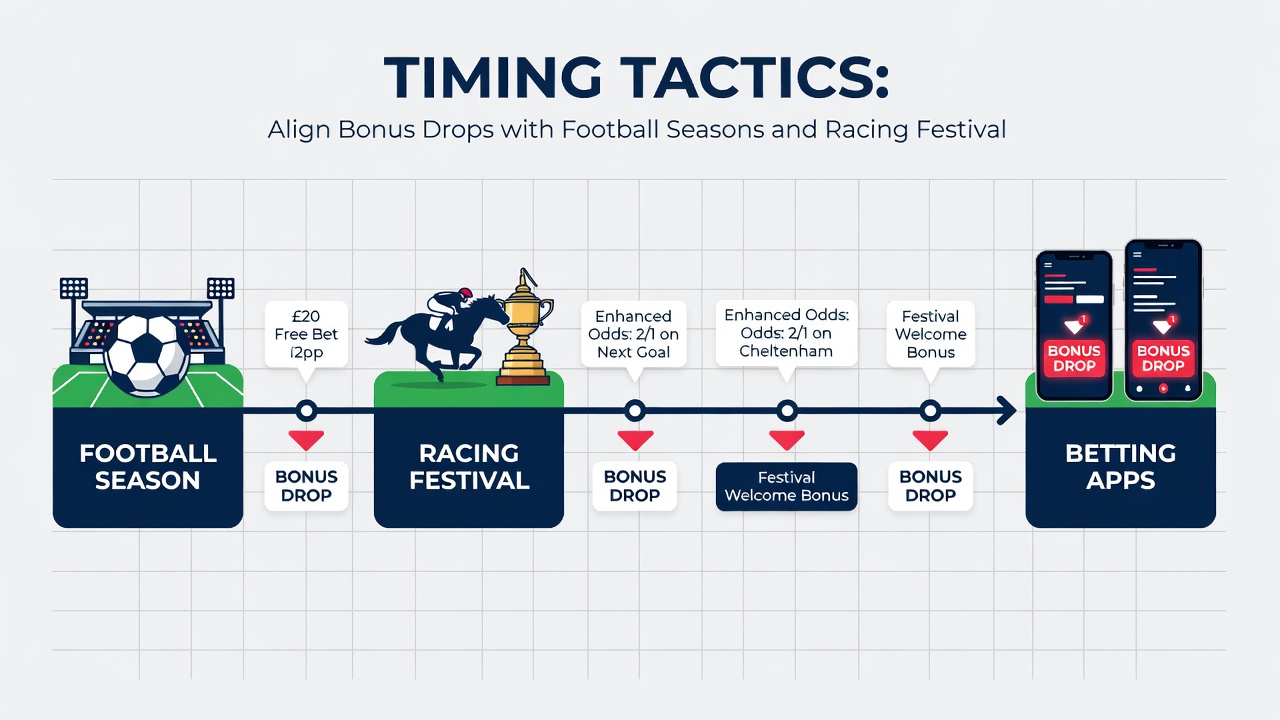
Overlapping Calendars and Strategic Adjustments
Periods when football and racing fixtures collide require careful sequencing, and platforms stagger drops so that one set of offers expires before the next activates. The autumn months illustrate this approach, since Premier League matches continue while smaller racing festivals occur on weekends. Operators use push notifications and in-app banners to highlight the transition, and historical metrics indicate that users respond more readily when promotions reference the immediate sporting context rather than generic rewards.
Regulatory frameworks in jurisdictions outside the UK, such as those monitored by the Australian Communications and Media Authority, provide comparative data on seasonal marketing, and these records show similar timing strategies among operators in other markets. British platforms therefore follow an established industry template while adapting to local calendars. The result is a rolling sequence of incentives that aligns with both domestic leagues and festival dates without creating prolonged gaps in promotional activity.
Conclusion
British betting apps structure bonus releases around the fixed dates of football seasons and racing festivals because participation data consistently shows elevated engagement during those intervals. Coordination across the calendar allows operators to maintain consistent user activity from August through the following spring, and October 2026 will follow the same established pattern of mid-season reload offers timed with league fixtures. This approach relies on observable trends in betting volumes rather than ad hoc decisions, and the practice continues to reflect the annual rhythms of the sports themselves.